The Barong Statue: A Warm Welcome Rooted in Balinese Heritage | Arkamara Dijiwa Ubud
by Dijiwa Sanctuaries
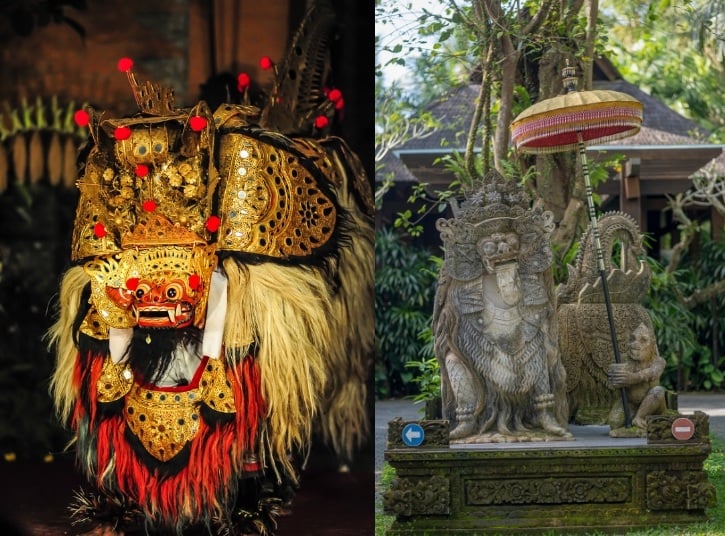
At Arkamara Dijiwa Ubud, every aspect of the resort reflects a story inspired by the island's rich culture and timeless traditions. The journey into Arkamara Dijiwa Ubud begins with a meaningful encounter. Standing gracefully at the resort's entrance, the Barong Statue welcomes every guest with a symbol deeply rooted in Balinese culture, a timeless expression of protection, harmony, and the island's enduring spiritual heritage.
In Balinese Hindu tradition, the Barong is revered as the guardian spirit and protector of the people. Representing goodness, prosperity, and balance, the Barong is believed to safeguard communities from negative influences while fostering harmony between humanity, nature, and the divine. Its presence at the entrance of Arkamara Dijiwa Ubud reflects the traditional Balinese belief of offering blessings and protection to all who enter, creating a warm and meaningful first impression for every guest.
The Barong is most celebrated through the Barong Dance, one of Bali's most treasured cultural performances. Accompanied by the vibrant rhythms of the traditional gamelan orchestra, the dance portrays the legendary encounter between the Barong and Rangda, symbolizing the eternal balance between opposing forces. Rather than depicting the triumph of one over the other, the performance embodies the Balinese philosophy of “Rwa Bhineda”, the understanding that harmony is achieved through the coexistence of dualities such as light and darkness, good and evil.
Beyond the stage, the Barong is an important part of Bali's living cultural heritage. Across the island, local communities work together to preserve this sacred tradition. Skilled woodcarvers, mask makers, dancers, musicians, costume artisans, priests, and village elders contribute their knowledge and craftsmanship, passing these traditions from one generation to the next. Their collective dedication ensures that the Barong remains a vibrant symbol of Balinese identity and spirituality.
The Barong Dance continues to be performed in both sacred and cultural settings. During temple festivals (piodalan), purification ceremonies, and other religious occasions, the Barong is believed to bring blessings and spiritual protection to the community. It is also performed at cultural venues throughout Bali, offering visitors an opportunity to appreciate the island's artistic traditions while supporting the local communities that keep them alive.
At Arkamara Dijiwa Ubud, the Barong Statue serves as more than an architectural feature. As the first cultural icon to greet guests upon arrival, it reflects the resort's commitment to honoring Bali's traditions and creating meaningful connections through authentic cultural experiences. It symbolizes a heartfelt welcome inspired by the island's values of respect, balance, and togetherness.
Guided by the philosophy "Inspired by Nature, Enriched by Meaningful Moments," Arkamara Dijiwa Ubud invites guests to begin their stay with a deeper appreciation of Bali's living heritage. The Barong Statue stands as a welcoming guardian, offering not only a memorable first impression but also an invitation to discover the culture, spirituality, and warm hospitality that make Bali truly exceptional.