The Art of Meaning: Discovering the Cemul Stone Carving at Arkamara Dijiwa Ubud
by Dijiwa Sanctuaries
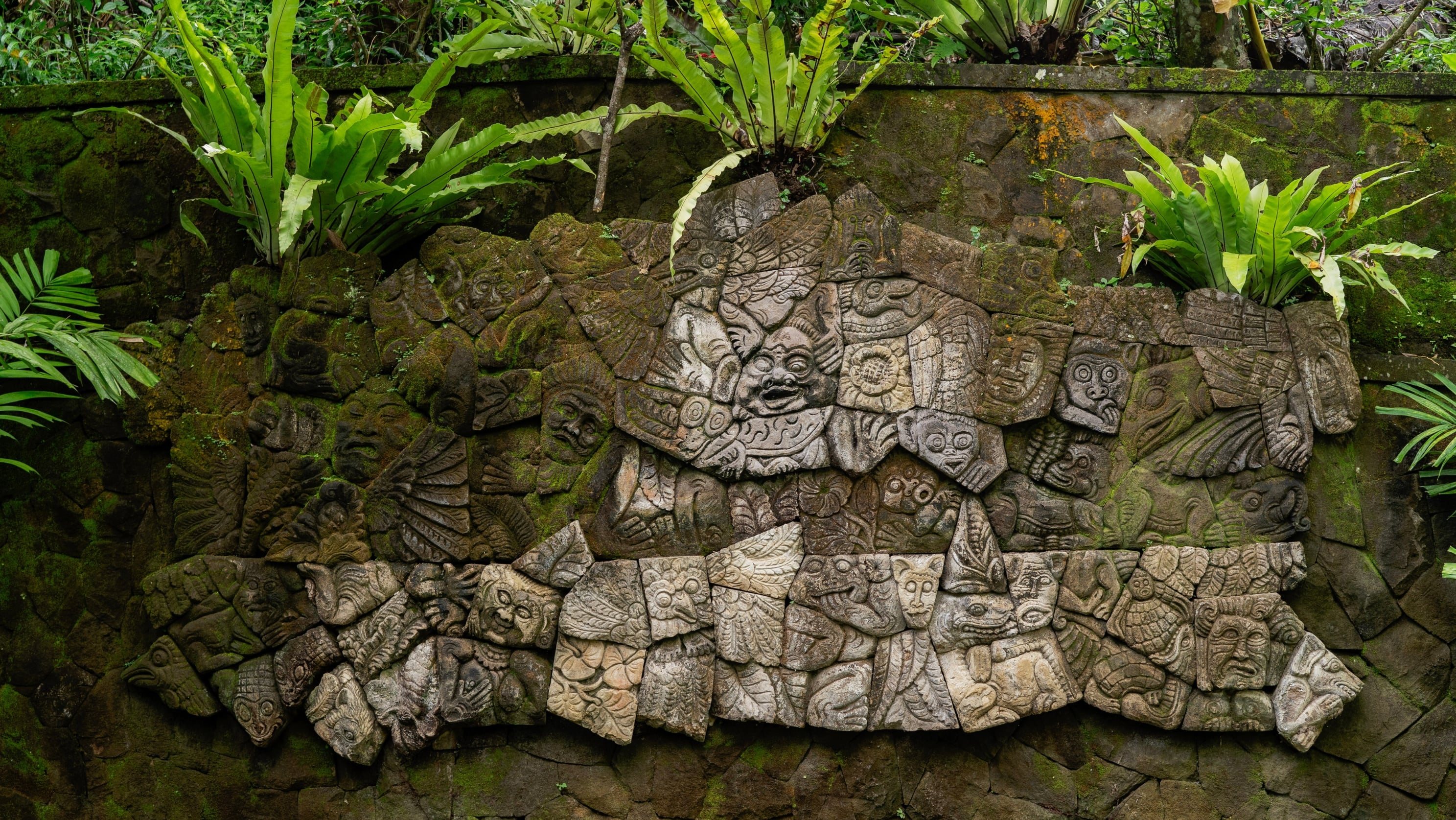
At Arkamara Dijiwa Ubud, art is not simply something to be seen. It is a reflection of stories, beliefs, heritage, and the deep connection between people and the natural world. Among the meaningful details found within the resort is the Cemul-style stone carving, a distinctive expression of Balinese craftsmanship inspired by mythology and the philosophy of balance.
More than an ornamental piece, the carving carries symbolic meaning that reflects the interconnectedness of humanity, nature, and spiritual forces.
A Symbol of Balance and Interconnectedness
Cemul-style stone carving embodies the richness of Balinese mythology through symbolic figures and intricate forms. Each element is thoughtfully shaped to represent the relationship between the human world, the natural environment, and the spiritual realm. This reflects a fundamental philosophy within Balinese culture: that life exists through balance and harmony between different elements.
At Arkamara Dijiwa Ubud, this philosophy feels especially relevant. The resort is surrounded by the lush landscape of Ubud, where tropical plants, trees, wildlife, and the natural environment become an important part of the experience. The carving becomes a visual expression of this relationship, reminding us that humanity is not separate from nature, but deeply connected to it.
More Than an Artistic Expression
Beyond its aesthetic presence, Cemul-style carving is traditionally associated with protective energy. The symbolic figures are believed to serve as guardians, helping to preserve the sanctity, balance, and harmony of their surroundings.
This protective symbolism adds another layer of meaning to the carving at Arkamara Dijiwa Ubud. Positioned within a landscape shaped by nature and culture, the Cemul becomes more than a work of art. It represents a quiet guardian of the space, reflecting the Balinese belief that the physical and spiritual worlds exist in connection with one another.
Its presence invites guests to appreciate not only the craftsmanship but also the philosophy embedded within it.
Crafted by Local Artisans
The story of the Cemul carving is also a story of local craftsmanship. At Arkamara Dijiwa Ubud, the carving was created by Jro Mangku and Pak Keneng. The Cemul carving was brought to life by Jro Mangku and Pak Keneng, skilled local artisans from Nyuh Kuning Village, whose connection to the owner's family adds a deeply personal layer to this piece of cultural heritage.
Every curve, figure, and intricate detail reflects the patience and craftsmanship of the makers. Their work represents an important part of Bali's living heritage, where traditional knowledge continues to be passed from one generation to another through the hands of local artisans.
A Heritage Passed Through Generations
The Cemul carving also holds a personal connection to the owner's family, where it has been preserved as family heritage. Its presence at Arkamara Dijiwa Ubud allows a piece of that heritage to continue its journey, becoming part of the resort's identity while remaining rooted in its original story.
In Bali, heritage is often more than an object passed down through generations. It carries memories, values, beliefs, and stories that connect the past with the present. The Cemul represents this continuity, a reminder that meaningful objects can carry the spirit of those who came before us while finding new meaning in the places they become part of today.
The diversity surrounding Arkamara Dijiwa Ubud is reflected not only in its landscape but also in its cultural details. For guests who encounter the Cemul carving at Arkamara Dijiwa Ubud, its intricate details offer more than a beautiful visual experience. It is an invitation to look closer and discover the story behind the stone, a story of mythology, balance, protection, craftsmanship, and heritage.